Tiskane izdaje

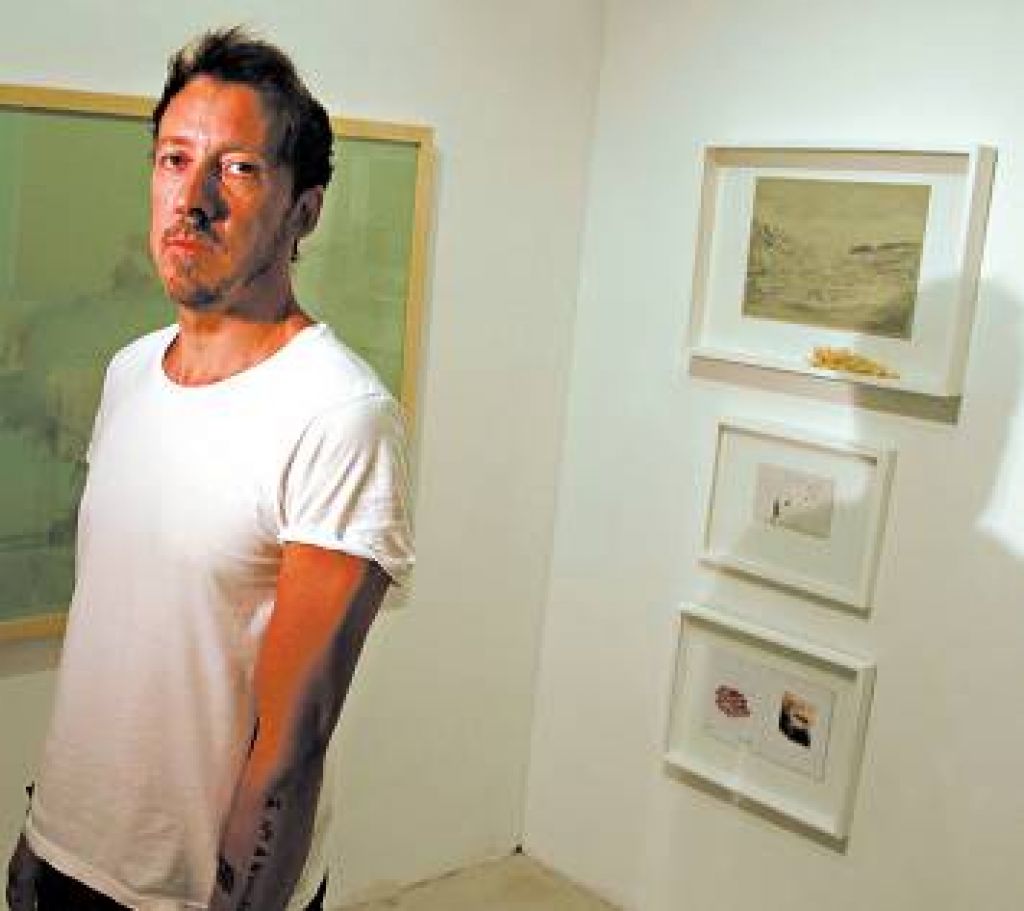


BUENOS AIRES - James Peck, a painter of windswept landscapes, is heralded as a hero by some in Buenos Aires, his new home, and denounced as a traitor by others in the Falkland Islands, where he was born and raised.
Mr. Peck is the first person from the Falklands to obtain Argentine citizenship since the 1982 war between Argentina and Britain over the archipelago. The 11-week conflict claimed more than 900 lives and left Britain in control of the islands.
Mr. Peck, appearing at a ceremony here in June with President Cristina Fernández de Kirchner to receive his identity card, found himself thrust into the increasingly tense diplomatic sparring over the Falklands, which have recently attracted big investments in oil drilling, fisheries and tourism, reviving some of the old animosity.
In December, Britain was angered by reports of Argentine patrol vessels' intercepting Spanish fishing boats in waters disputed by the two countries. Meanwhile, British plans for a marine protection zone near the Falklands elicited a dismissive response from Argentine military officials here.
The tussle reached the highest levels of government. Prime Minister David Cameron reaffirmed Britain's control of the islands in June, after Mrs. Kirchner gave Mr. Peck his citizenship and received Ban Ki-moon, the the United Nations secretary general, to discuss Argentina's claim to the Falkland Islands, called the Malvinas here.
"As long as the Falkland Islands want to be sovereign British territory, they should remain sovereign British territory," Mr. Cameron said.
Mrs. Kirchner responded by calling Britain a "crude colonial power in decline."
Retired British admirals recently excoriated a decision to scrap Britain's only aircraft carrier, contending that the move "practically invited" Argentina to invade the "newly valuable Falkland Islands and their oil fields."
Britain maintains about 1,000 military personnel on the islands, and this year, the 30th anniversary of Argentina's defeat in the war, Prince William is to be deployed to the Falklands as a helicopter rescue pilot, a move condemned by the authorities here as a "provocative act."
Enter Mr. Peck. Like many of the 3,000 kelpers, as Falklanders are often called because of the seaweed found on the islands, he is a descendant of 19thcentury British immigrants.
His father, Terry, was a hero in the resistance to Argentina's invasion on April 2, 1982.
Mr. Peck, 43, was 13 at the time of the war, but after turning 18, he served in the Falkland Islands Defense Force. He traded guns for paintbrushes when he left to study art in London. His time away gave him new insights into his home, placing focus on linguistic details that, he said, spoke more to the nuances in the archipelago's history.
He realized that "che," a term of affection that kelpers use, must have come from Argentina, where it appears in everyday speech. And he surmised that another term, "the Camp," used to describe the archipelago's barren expanses, is derived from the Spanish word "campo," for countryside.
In fact, ties between the Falklands and Argentina, which claimed sovereignty over the islands in 1833, when Britain re-established its rule of the archipelago, have not always been so tense. Sheep farmers used to alternate between Patagonia and the Falklands. And into the 20th century, some Falk-lands families would send their children to schools in Buenos Aires that cater to Argentina's large Englishspeaking community.
Mr. Peck first came here in the 1990s to show his paintings, some of which deal with the war. He met an Argentine woman and they married and had two boys, who are now 9 and 5.
Living with his wife in Stanley, the capital of the Falkland Islands, proved difficult, Mr. Peck said, partly because of hostility toward her. And with Argentina still limiting flights to the Falklands, having to fly home via Chile did not help.
When his wife returned to Argentina with their sons, Mr. Peck followed, though they have since separated. He said his decision to obtain Argentine nationality was largely about being able to live near his sons.
Branded a traitor by some in the Falklands, Mr. Peck described emailed death threats. "In the world of black-and-white thinking, it's a defection," he said. "But in my mind it's not."
Tempers still flare in the Falklands over Mr. Peck's decision.
"He's a confused young man," said Mike Summers, a member of the Falklands legislative assembly. "If his father were still alive, the whole episode might have given him a heart attack."
Mr. Peck remains confident in his decision. Slowly, he said, he is building a life here.
Still, he misses the Falklands. They have something he sometimes lacks here: inspiration.
"The truth is I prefer to paint in the islands," he said. "I'd walk out of my studio sometimes at 2 in the morning and it's like you're the last person alive."