Tiskane izdaje

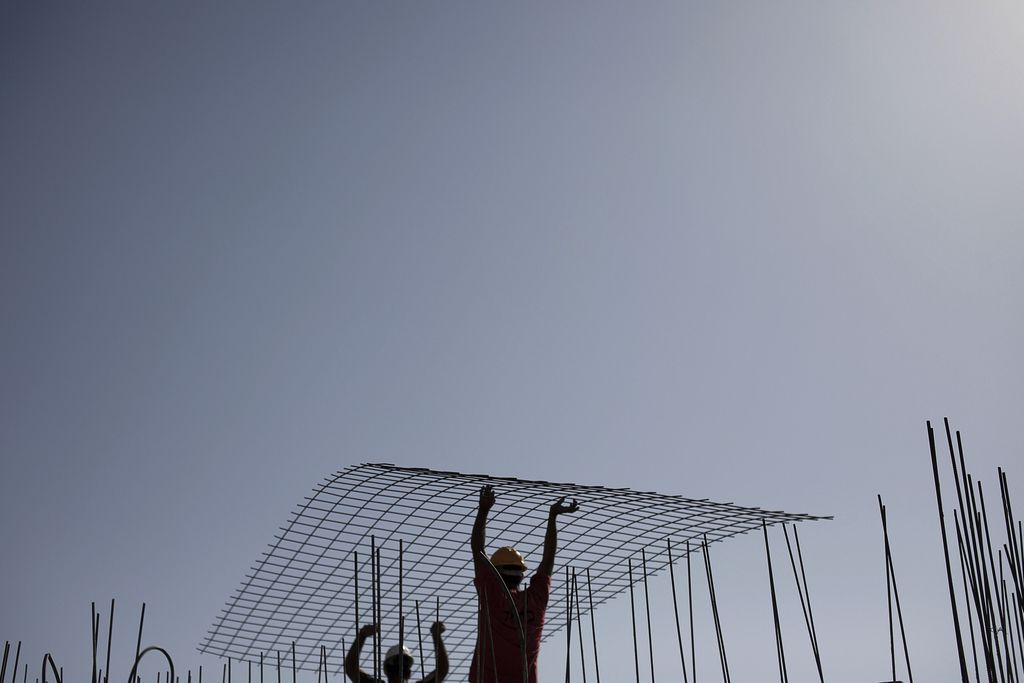


There was much to record. Israel was building a separation barrier on village land that included some of his family's
own. The rationale behind it was to stop suicide bombers, but the move confiscated most of the village's arable land and allowed for the expansion of an Israeli settlement.
Bulldozers uprooted centuries-old olive trees while settlers drove up with furniture and mobile homes. Villagers stood
in the way; soldiers arrested them. Mr. Burnat was there, day in, day out, filming with his new camera.
Working with an Israeli filmmaker, Guy Davidi, Mr. Burnat has turned his years of video into a compelling tale. The film, "Five Broken Cameras," won two awards at the International Documentary Film Festival Amsterdam and appeared at the recent Sundance Film Festival.
The new documentary intersperses scenes of villagers fighting the barrier with Mr. Burnat's son Gibreel's first words ("cartridge," "army"), Israeli agents taking away friends and relatives, and Mr. Burnat's wife begging him to turn his attention away from politics.
Over six years, Mr. Burnat went through five cameras, each broken in the course of filming - among other things, by soldiers' bullets and an angry settler. At the start of the film, Mr. Burnat lines up the cameras on a table.
They create a motif - the power of bearing witness. He never puts his camera down and it drives his opponents mad.
"It was a very difficult decision to make such a personal film," Mr. Burnat, 40, said. "I was uncomfortable about showing footage of my wife. This may be normal in Europe, but here in Palestine you have to answer many questions. I have so far avoided showing the film here."
Mr. Davidi, the Israeli co-director, first came to Bilin in 2005 to shoot a documentary on Palestinian workers in the settlement, and he met Mr. Burnat then. "We wanted our film to be an understatement, not to be provocative or combative," Mr. Davidi said.
Working with an Israeli filmmaker has been controversial. The Palestinian movement promotes a boycott of all things Israeli until progress is made on ending the occupation.
For Mr. Burnat, the issue of coexistence is especially delicate. In late 2008, he was badly injured in a traffic accident.
A Palestinian ambulance arrived at the same time as Israeli soldiers, who saw what bad shape he was in and took him to an Israeli hospital.
"If I had been taken to a Palestinian hospital," Mr. Burnat said, "I probably wouldn't have survived." Three months later he was back filming.
"The only protection I can offer him," Mr. Burnat says of Gibreel, "is allowing him to see everything with his own eyes
so he can confront just how vulnerable life is."