Tiskane izdaje

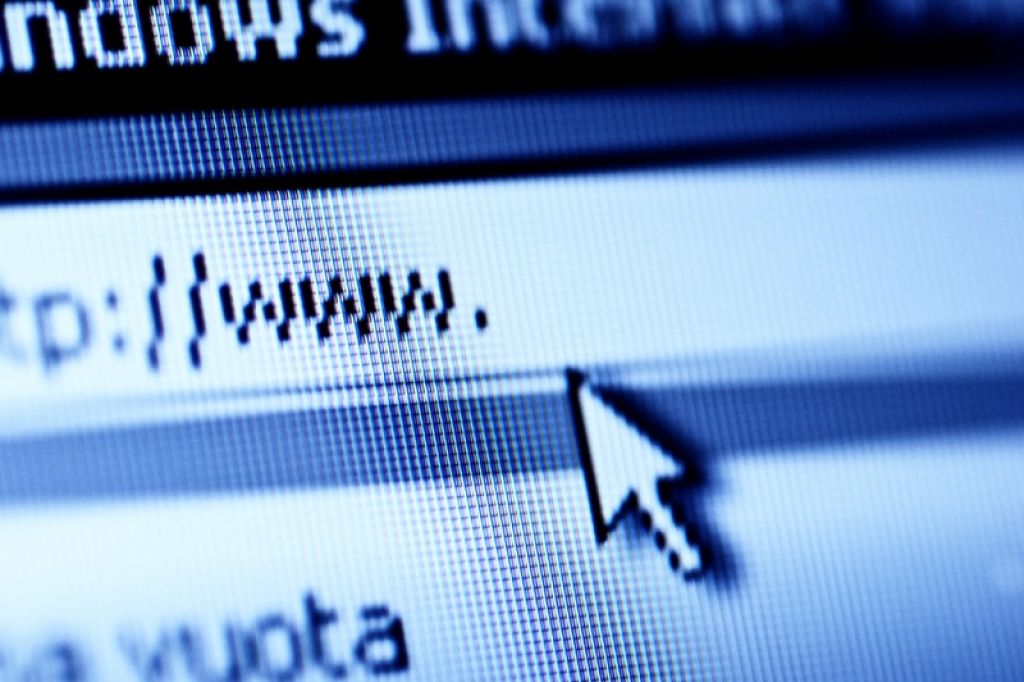


With such possibilities in mind, countries like France and Estonia have declared Web access a basic human right. They were joined last year by the United Nations, which declared that the Internet has become "an indispensable tool for realizing a range of human rights."
As The Times wrote in an editorial last year, "Nobody should be banned from the Internet. It is a fundamental tool for enabling free speech." That was soon after Middle Eastern leaders like Hosni Mubarak of Egypt had tried - unsuccessfully - to stem the tide of the Arab Spring by cutting off online access to their restive populations.
That flowering of freedom was spontaneous, free form and leaderless, and made possible by social networks and mobile technology.
Wael Ghomin, a Dubai-based Google executive who started the Facebook page that helped to foment the revolution, wrote in The Times: "I'm fully aware of a lot of opinions that this was a very big downside of the revolution that it had no leadership to take over after Mubarak stepped down. Only history will judge.
Regardless, a lot of Egyptians are now empowered." Empowered with the help of technology. But does that make the technology a human right?
Vinton G. Cerf, a Google engineer and one of the founders of the Internet, wrote in The Times that "technology
is an enabler of rights, not a right itself.
There is a high bar for something to be considered a human right. Loosely put, it must be among the things we as
humans need in order to lead healthy, meaningful lives, like freedom from torture or freedom of conscience. It is
a mistake to place any particular technology in this exalted category."
But human right or not, the digital divide persists even in advanced, democratic nations like the United States. In a Times opinion piece, Susan P. Crawford, a professor at the Benjamin N. Cardozo School of Law in New York, described America as "a country in which only the urban and suburban well-off have truly high-speed Internet access." She added, "As our jobs, entertainment, politics and even health care move online, millions are at risk of being left behind."
Though nations like Finland and South Korea boast blazing-fast download speeds and near-ubiquitous connectivity - thanks to a savvy mix of government incentives and private investment in the Web infrastructure - the United States lagged at 25th place in a study of Internet speeds last year.
Meanwhile, in many parts of the world, broadband is now essential. "You often hear people talk about broadband from a business development perspective," said Brian Depew, an assistant director of the Center for Rural Affairs, a nonprofit research group in Lyons, Nebraska. "But it's much more significant than that. This is about whether rural communities are going to participate in our democratic society."
With broadband access, some may even start their own revolution.